Basics
Pro Tips
What actually happens during a fire risk assessment- and what to do before your assessor arrives
Learn what assessors check during a fire risk assessment and how landlords should prepare to stay compliant.
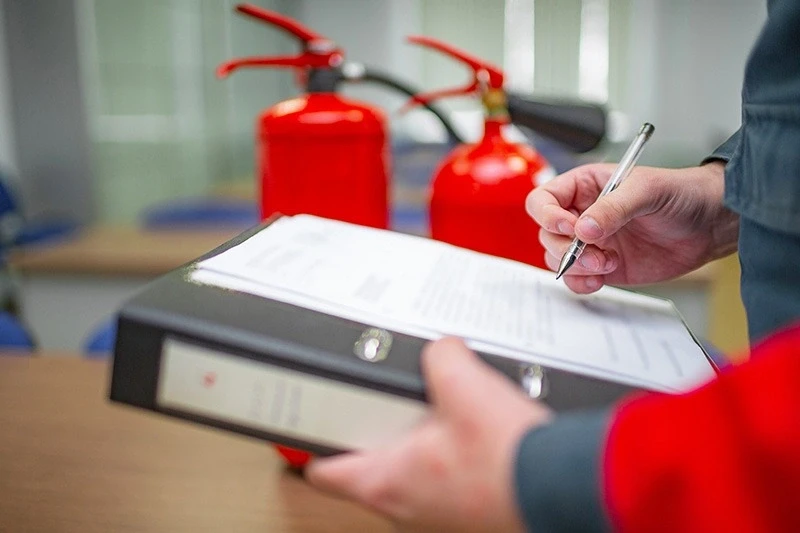
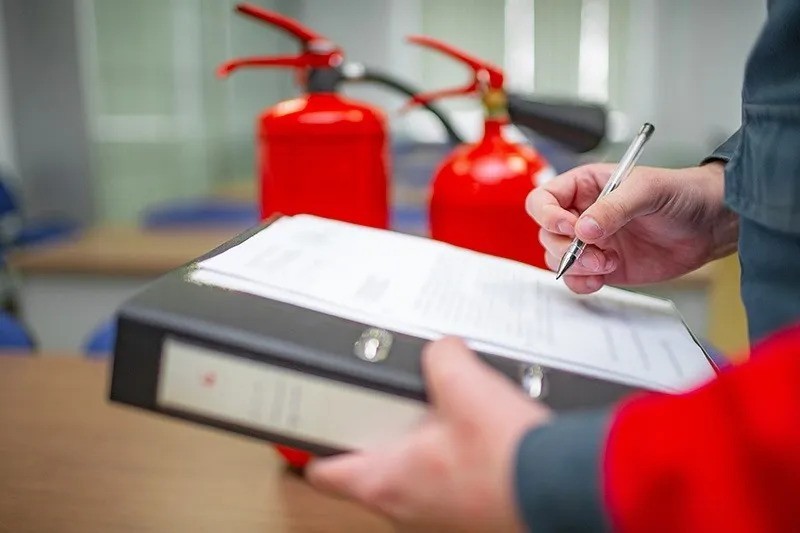
Many property owners feel uncertain about what happens during a
, yet this process is crucial for legal compliance. The Regulatory Reform (Fire Safety) Order 2005 requires anyone managing a non-domestic property to protect occupants from fire threats and maintain proper safety precautions. Failing to comply can result in prosecution, unlimited fines, or even imprisonment in cases of extreme negligence[-3].
We've created this complete guide to walk you through the entire fire risk assessment process UK requirements, what assessors get into, and how to prepare using our fire risk assessment checklist.
What is a fire risk assessment and why does your building need one?
The Regulatory Reform (Fire Safety) Order 2005 serves as the primary legislation governing fire safety in England and Wales. This law applies to all workplaces and commercial premises, plus the common areas of buildings containing two or more domestic premises. Single private dwellings remain the only properties exempt from this requirement.
Your fire risk assessment must identify fire hazards and determine who might be at risk. You need to assess existing precautions and record your findings along with an emergency plan. The assessment process involves getting into emergency routes and exits, fire detection and warning systems, firefighting equipment, dangerous substances storage, and the needs of vulnerable people such as the elderly or those with disabilities.
The Building Safety Act 2022 introduced most important changes to recording requirements on 1st October 2023. Previously, only businesses with five or more employees needed to maintain written records. Now all fire risk assessments must be documented whatever the employee numbers or licencing status. These records must include your findings, the premises' fire safety arrangements, contact information for all responsible persons, and details of any fire safety assessors you work with.
The Fire Safety Act 2021 clarified that external walls, flat entrance doors and building structures fall within the scope of the Fire Safety Order. You must include them in your assessments. The Fire Safety (England) Regulations 2022 set additional requirements for medium-rise buildings (11 to 18 metres) and high-rise buildings (above 18 metres). These include providing operational information to fire and rescue services.
You must review your fire risk assessment on a regular basis and update it when most important changes occur. These changes include structural alterations, new installations, modifications to building use or work activities, and changes in occupancy patterns (such as introducing staff members with disabilities). Fire incidents or near misses also trigger updates, as do visits from fire authorities that result in enforcement notices.
Who is the responsible person?
The Fire Safety Order designates a 'responsible person' who holds legal accountability for fire safety. You become the responsible person if you're an employer with any degree of control over a workplace. The person who controls the property in connection with running a trade, business or other undertaking takes on this role for other premises. The owner assumes responsibility when no such person exists.
You could be the responsible person if you're an employer, building owner, landlord, occupier, facilities manager, building manager or managing agent. Multiple responsible persons may exist for the same premises. You must cooperate to meet your collective duties and share relevant information, including your contact details and assessment findings.
Outgoing responsible persons must now transfer fire safety information to incoming responsible persons under the Building Safety Act 2022 amendments. This creates a continuous record throughout a building's lifespan. You're also required to share assessment information with residents where appropriate.
Consequences of non-compliance
Fire authorities possess substantial enforcement powers when they identify failures to comply with fire safety legislation. You might receive a letter outlining necessary improvements for minor concerns. But more serious breaches trigger formal statutory notices.
An enforcement notice specifies deficiencies and provides a timeframe to correct them. Authorities can issue a prohibition notice where fire risk poses an immediate threat to life. This restricts or prohibits use of your premises until you put required safety measures in place. Failure to comply with any statutory notice constitutes a criminal offence.
The penalties reflect the severity of non-compliance. You face unlimited fines on summary conviction in Magistrates' Court. Crown Court prosecutions can result in unlimited fines and imprisonment terms up to two years. Courts think about factors including the risk level created, previous non-compliance history and whether harm occurred when determining sentences.
Failing to maintain adequate fire risk assessments can void your commercial insurance coverage beyond criminal sanctions. Many insurers require fire safety compliance as a policy condition. They may refuse claims following fire incidents if you lack a valid assessment. Civil liability cases can also use your failure to conduct proper assessments as evidence of negligence in compensation claims.
What happens during a fire risk assessment: the complete process
The fire risk assessment process UK follows a structured five-step methodology developed by government fire safety authorities. Understanding what happens during each stage helps you prepare and ensures your assessor can get the full picture.
Original site walkthrough and documentation review
Assessors begin by conducting a complete walkthrough of your premises. This survey establishes the scope of the assessment and identifies areas that need detailed examination. They'll review any existing fire safety documentation you've managed to keep, including previous assessment reports, building plans, evacuation procedures and maintenance logs for fire safety equipment.
The assessor gets into your premises layout and notes the number of floors, staircases, exit locations and how different areas connect. They'll request information about building occupancy patterns, usage of various spaces and any recent structural changes or renovations. This documentation review provides context for the physical inspection that follows.
Identifying fire hazards throughout the premises
Fire hazards represent anything capable of starting a fire or allowing it to develop and spread. The assessment identifies three fire elements: ignition sources, fuel sources and oxygen supplies beyond normal air circulation.
Your assessor will examine:
Electrical equipment: Faulty wiring, overloaded circuits, portable appliances and heating systems
Smoking materials: Designated smoking areas and disposal methods for cigarettes and matches
Arson risks: External security, rubbish storage locations and vulnerable access points
Heating and cooking: Kitchen appliances, portable heaters and hot work processes
Housekeeping standards: Accumulation of combustible materials, storage practises and waste management
Contractor activities: Welding, grinding or other hot processes that create ignition risks
The assessor notes combustible materials throughout your premises, such as packaging, decorations, wall coverings and stored goods. They'll also identify structural features like ducts and open roof spaces that could accelerate fire spread.
Identifying people at risk
Everyone using your premises faces potential fire risk, but certain groups need special consideration. The assessor assesses who occupies your building and their specific vulnerabilities so that appropriate safety measures can be put in place.
Particular attention focuses on people sleeping in the building, who won't detect fire right away and may respond slowly to alarms. Staff working outside normal hours, including cleaners, maintenance personnel and security staff in isolated areas, face increased risk. Noisy environments where occupants might not hear alarms also warrant consideration.
Vulnerable individuals include children, elderly persons and people with disabilities affecting mobility, vision or hearing. Visitors unfamiliar with your premises layout and escape routes need clear guidance systems. The assessor documents these groups to ensure your fire safety plan addresses their evacuation needs.
Assessing and recording findings
After identifying hazards and at-risk individuals, the assessor assesses whether your current fire precautions provide adequate protection. They examine escape route adequacy and check you've planned routes that allow safe navigation even during darkness. Emergency lighting, fire exit signs and alarm system coverage receive scrutiny.
The assessor determines whether you've separated ignition sources from combustible materials and whether your fire safety plan specifies who contacts emergency services. They assess your firefighting equipment placement and suitability for anticipated fire types.
All findings get documented in a detailed report that highlights deficiencies and recommends improvements. The action plan prioritises the work to be done with suggested timeframes and specifies what needs doing and by when. This forms your roadmap for addressing identified risks.
Testing fire safety equipment and systems
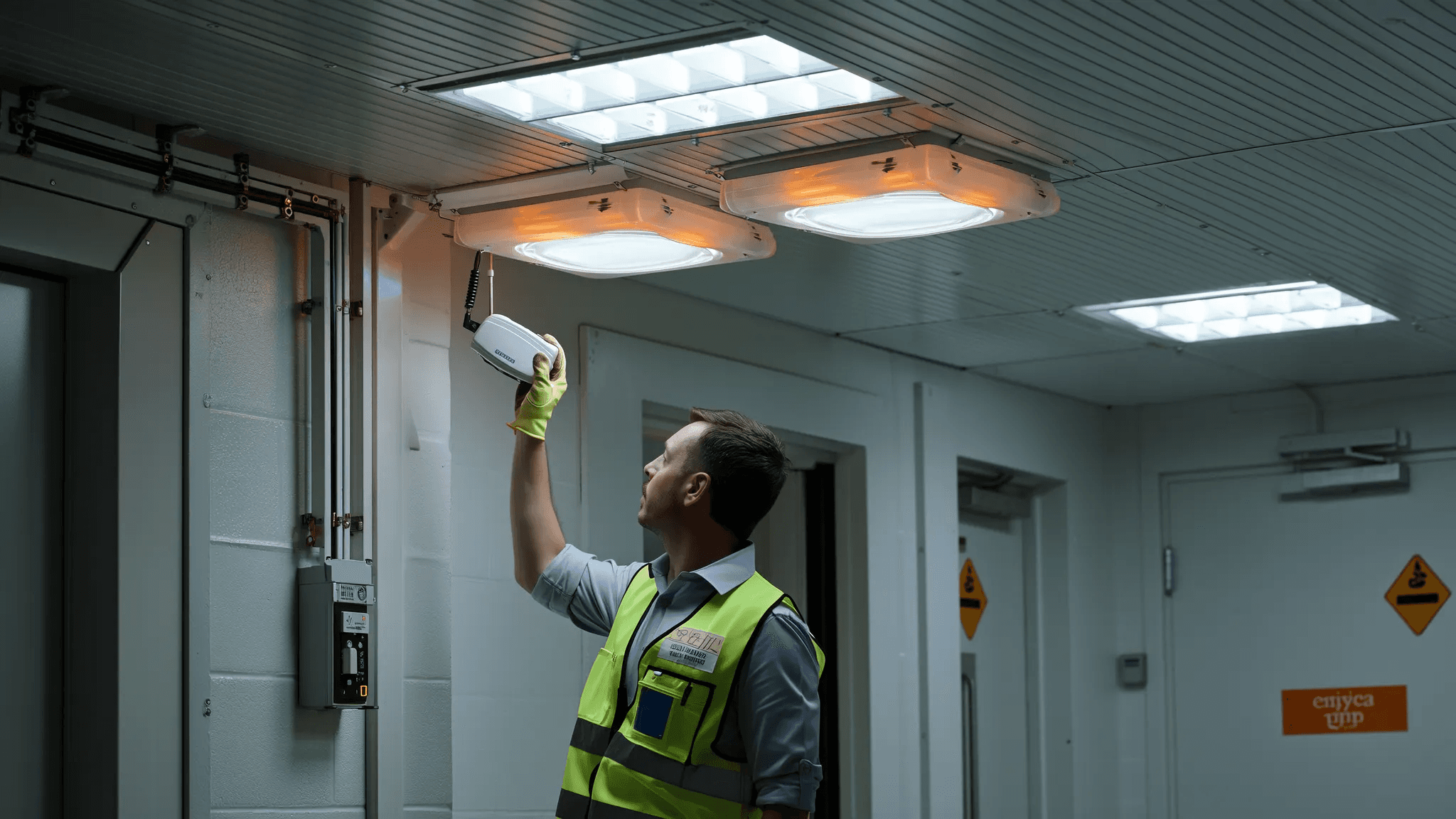
Assessors test critical fire safety systems during their visit. Smoke and heat detectors undergo functionality checks to ensure they trigger alarms as they should. Emergency lighting systems get tested to verify they illuminate escape routes during power failures. Fire alarm audibility throughout the premises receives confirmation.
Fire extinguishers are inspected for correct type, condition and strategic placement. The assessor verifies maintenance schedules exist and equipment receives regular servicing. Fire doors must close with intact seals, and compartmentation features get checked for gaps allowing fire or smoke penetration.
How long does a fire risk assessment take?
Duration varies substantially based on your property's characteristics. Small office spaces might need just one to two hours, whereas large commercial buildings can take half to a full day or longer. Some complex facilities with multiple floors and intricate fire safety systems may extend to several days.
Factors that affect assessment duration
Your building's size and layout directly influence how long the assessment takes. Multi-storey buildings need inspection of each floor, with assessors who examine exits, fire alarms, extinguishers, and emergency lighting systems throughout. Large warehouses or factories present challenges due to expansive layouts and potentially dangerous materials or equipment.
Building complexity matters beyond simple square footage. Historic or older buildings often feature unusual layouts that assessors must traverse with care. These structures sometimes lack modern fire safety design and hide hazards like outdated electrical wiring or increasingly flammable wooden structures. Buildings with restricted areas, such as laboratories, hospitals, or research facilities, need special attention and additional coordination with staff. This adds time to the process.
The type of business that operates in your premises affects assessment scope. Manufacturing plants that contain dangerous machinery or flammable chemicals demand more detailed evaluation. Restaurants and commercial kitchens pose substantial fire risk due to open flames, hot surfaces, and cooking oils. Assessors must spend additional time to evaluate kitchen-specific fire extinguishers and suppression systems. Healthcare facilities need special attention because vulnerable individuals may need assistance during evacuation.
Fire safety systems already installed influence the timeline. Assessors must check fire detection systems, sprinklers, smoke detectors, and alarms to ensure proper function and adequate coverage. The more extinguishers and suppression systems present, the longer the evaluation process. Emergency lighting needs verification throughout premises.
Documentation review adds substantial time, especially for larger organisations. Assessors examine maintenance records for fire alarms, sprinklers, and extinguishers, plus logs of staff fire safety training and records of previous fire drills.
What assessors examine in each area
Assessors evaluate occupancy numbers in each space and identify any young, disabled, or lone workers. They count floors and staircases whilst noting exit numbers and locations. The assessment determines whether fire alarms, exit signs, emergency lighting, and extinguishers suit the area's needs.
Fixed installations receive inspection every five years, whilst electrical equipment and appliances need periodic testing. Assessors verify smoking control measures and check whether combustible materials, waste, and refuse bins are stored safely away from the building or in purpose-built compounds. Heating systems undergo maintenance checks, and cooking fire prevention measures receive scrutiny.
Commercial buildings vs residential properties
Residential assessments proceed faster due to smaller size and simpler structures. Commercial properties need more time-intensive evaluations because of complex layouts, higher occupancy rates, and varied uses that contribute to potential fire hazards. Commercial premises face stricter regulations and necessitate thorough evaluation of all fire safety aspects.
Small to medium-sized properties typically complete assessments within a few hours to a full day. Large commercial buildings in urban centres may extend to several days for thorough evaluation of all potential risks and compliance issues.
What the assessor will ask you during the visit
During a fire risk assessment, your assessor will have detailed conversations with you about how you use and manage your premises. These discussions are critical to the fire risk assessment process UK. They allow assessors to understand risks that aren't visible right away during the physical inspection.
Building occupancy and usage patterns
Assessors need precise information about how many people occupy your premises at different times. You'll be asked about maximum occupancy levels. These depend on two limiting factors: floor space capacity and escape route capacity. Different areas require different space allocations per person. To cite an instance, you can fit more people onto a dance floor compared to a factory floor.
The assessor will ask you to describe distinct spaces based on their use and request area measurements in square metres. They'll want to know about narrowest points along exit routes, particularly door widths. Exits need minimum widths of 750mm for up to 100 people or 900mm for wheelchair users. Your occupancy caps at 60 people if you only have one exit. Doors opening inwards or against evacuation flow face the same 60-person limit.
Expect questions about vulnerable occupants who require special consideration. The assessor will ask whether children, elderly persons, or people with disabilities affecting mobility, vision, or hearing use your building. They'll ask about staff working outside normal hours. This includes cleaners and security personnel in isolated areas, plus anyone sleeping on the premises who won't detect fires right away.
Existing fire safety measures and maintenance records
Preparing for a fire risk assessment means gathering complete documentation about your fire safety systems. Assessors will request maintenance records covering fire alarm testing, sprinkler system servicing, and fire extinguisher inspections.
You'll need to provide fire logbooks documenting weekly testing logs and records showing inspection, testing, and maintenance activities. Inspection records must be retained until the next test and for one year after that. Systems with specific heat detectors tested over multiple years require records retained for the five years of testing plus one additional year.
The assessor will ask about electrical wiring information, PAT testing results, gas check logs, and COSHH documentation for chemical storage. You should have permanent records for the system's lifespan. These include acceptance test results, installation drawings, operation and maintenance manuals, and site-specific software. These records must be available to present to authorities upon request and would be discoverable in any legal dispute.
Previous incidents or near misses
Assessors will ask whether your building has experienced any fire loss history or near miss events. Near misses are unplanned events that offer opportunities to improve protection measures. This includes any event that could potentially result in harm or cause equipment or property damage.
Recording near miss incidents allows identification of trends and process improvements while minimising recurring incidents. You should report events where someone noticed and avoided a hazard that could have caused injury. These close calls reveal gaps in risk control measures. They make valuable learning opportunities even though no harm occurred.
Staff training and emergency procedures
The assessor will ask detailed questions about your staff fire safety training programme. You must provide training covering fire prevention rules and actions upon finding fire or hearing alarms. This includes escape routes and exits, alarm raising procedures, who contacts fire services, provisions for assisting disabled persons, and evacuation procedures.
Training should occur during induction on the first day, with annual refresher sessions at minimum. Staff with supervisory roles require detailed instruction in their duties. This includes fire marshals, department heads, and security personnel who need refresher training every six months. You'll need records proving training completion and should conduct at least one fire drill annually while documenting the results.
Preparing for a fire risk assessment: what to do before your assessor arrives
Proper preparation streamlines the fire risk assessment process UK and demonstrates your commitment to fire safety compliance. Gather documentation and ensure building accessibility beforehand. This allows your assessor to complete a thorough evaluation without delays.
Documents needed for fire risk assessment
You must keep a copy of your completed fire risk assessment for your records. Start by locating your current fire risk assessment along with previous versions. These show how your building's compliance has evolved. Therefore, these documents provide continuity for new managers or owners.
Gather action plans linked to each previous evaluation along with the assessment itself. Retrieve audit reports, advisory letters, enforcement notices if fire authorities have visited your building. Include evidence showing how you addressed required actions. Your assessor needs to see the premises address, responsible person details, assessor information from past visits, date of previous assessments, building use description and construction details.
Ensuring access to all areas of the building
Your assessor requires unrestricted access to every area of your premises. You must keep records of steps taken to comply with flat entrance door checks for buildings containing flats. This includes instances where access wasn't granted during any 12-month period and the steps taken to gain entry. Arrangements with leaseholders must grant this access to make leasehold flat inspections easier. Court orders are available if needed.
Gathering maintenance records for fire safety equipment
Fire services expect responsible persons to provide clear evidence that the building is managed safely. Compile weekly fire alarm test logs, six-monthly service reports and fault logs with rectification notes. Monthly flick test logs for emergency lighting and annual full duration test reports must be available. Have fire extinguisher annual maintenance records, fire door inspection evidence and certificates for replacement doors ready for review.
Preparing staff and occupants
Tell your staff about the scheduled assessment and their potential involvement. The core team who manage fire safety systems should remain available to answer questions. Notify occupants in advance, especially when you have residential buildings where flat access may be required.
Making sure escape routes are clear
Routes to emergency exits and the exits themselves must be kept clear at all times. Conduct checks to ensure no obstructions block evacuation paths. Emergency doors must open easily and without requiring special knowledge or effort. Verify that fire exit signage remains visible. Emergency lighting should function properly to illuminate escape routes during power failures.
What happens after the fire risk assessment is completed
Your assessor delivers a detailed report that documents all findings from the fire risk assessment process UK. This report is the foundation to maintain commercial fire safety compliance and meet your responsible person fire safety duties.
Understanding your fire risk assessment report
The report must record all findings whatever your premises size or purpose. Since October 2023, you must document the identity of the individual hired or contracted to undertake or review your assessment. This person must possess sufficient training, experience, or knowledge to be considered competent.
Your report will identify fire hazards found throughout the premises, review people at risk, and assess whether existing fire safety measures provide adequate protection. It details your fire safety arrangements, which include procedures you need written down and policies you have in place.
Action plans and priority recommendations
After the review, your assessor develops an action plan that details what needs doing and by when. This inventory of actions gets prioritised and time-constrained to devise, maintain, or improve controls. The plan specifies improvement actions required to address identified deficiencies.
Implementing required changes
You must implement fire safety measures based on assessment findings. These measures prevent fire and protect occupants. They include safe escape routes, fire detection systems, fire doors, firefighting equipment, and ongoing maintenance. All systems must be kept in efficient working order.
Review schedules and ongoing compliance
You must keep your assessment under regular review and update it when risks or hazards change. Review assessments annually for standard-risk premises. Higher-risk premises including care homes and buildings with sleeping accommodation require reviews every six months.
An outdated assessment can lead to enforcement notices from fire authorities, prosecution for non-compliance, unlimited fines, and imprisonment in serious cases. Enforcing authorities think over whether you've taken reasonable and proportionate steps to keep the assessment under review.
Conclusion
A fire risk assessment might feel overwhelming at first, but you can approach it with confidence now that we've walked through the whole process. Proper preparation makes everything run smooth and demonstrates your steadfast dedication to safety compliance.
Gather your documentation and keep maintenance records organised before your assessor arrives. Clear escape routes should be ensured as well. After you receive your report, implement the recommended actions within suggested timeframes to protect your occupants and avoid penalties that can get pricey.
Your fire risk assessment isn't just a legal requirement. It's an investment in protecting lives and your business's future.
Key Takeaways
Understanding what happens during a fire risk assessment helps you prepare effectively and ensures legal compliance whilst protecting occupants and your business.
All non-domestic properties must have documented fire risk assessments under UK law, with unlimited fines and imprisonment for non-compliance
Assessments examine fire hazards, at-risk people, escape routes, and safety equipment through a systematic five-step process
Preparation is crucial: gather maintenance records, ensure building access, clear escape routes, and have staff available for questions
Assessment duration varies from 1-2 hours for small offices to several days for complex commercial buildings
Post-assessment action plans must be implemented within specified timeframes, with regular reviews required annually or six-monthly for high-risk premises
Proper preparation and understanding of the process transforms what could be a stressful legal obligation into a valuable opportunity to enhance your building's safety and protect everyone who uses it.
Explore
Discover expert insights, tips, and updates on property compliance, safety regulations, and best practices to keep your properties secure and compliant.