Testing
Guide
HOW PAT TESTING IS DONE IN UK?A COMPLETE GUIDE
Learn how PAT testing is done in the UK — from visual inspections to electrical tests. Stay compliant & keep your workplace safe.
What Is PAT Testing?
PAT testing is the process of examining electrical appliances and equipment to ensure they are safe to use. The term "portable appliance" refers to any electrical item connected to the mains supply via a plug — from kettles to computers, power tools to floor lamps.
The testing process combines a thorough visual inspection with a series of formal electrical tests carried out using specialist equipment. The goal is to identify faults that could result in electric shock, fire, or injury before they cause harm.
💡 Key Fact: PAT testing is not a legal requirement in itself, but the Electricity at Work Regulations 1989 and the Health and Safety at Work Act 1974 require employers to ensure electrical equipment is maintained in a safe condition. PAT testing is the most widely accepted method of demonstrating compliance.
Who Should Carry Out PAT Testing?
PAT testing must be carried out by a "competent person". This does not necessarily mean a fully qualified electrician, though for higher-risk environments or complex equipment, a qualified professional is strongly recommended. A competent person is someone who has sufficient knowledge, training, and experience to carry out the testing safely and correctly.
For low-risk environments such as offices, a trained in-house employee may be adequate for basic testing. However, most businesses choose to engage a professional PAT testing engineer for thoroughness, liability protection, and peace of mind.
How PAT Testing Is Done: A Step-by-Step Breakdown
The PAT testing process follows a structured sequence to ensure no aspect of appliance safety is overlooked. Here is how it works in practice:
Step 1: User Checks (Pre-Test Visual Inspection by the Operator)
Before formal testing begins, the person using the equipment should regularly carry out informal visual checks. Users should look out for:
Damaged cables, cuts, or fraying
Signs of burning, scorching, or discolouration
Loose or exposed wiring at the plug
Cracks or damage to the casing
Any item that has been subject to moisture, impact, or misuse
Step 2: Formal Visual Inspection by the Competent Person
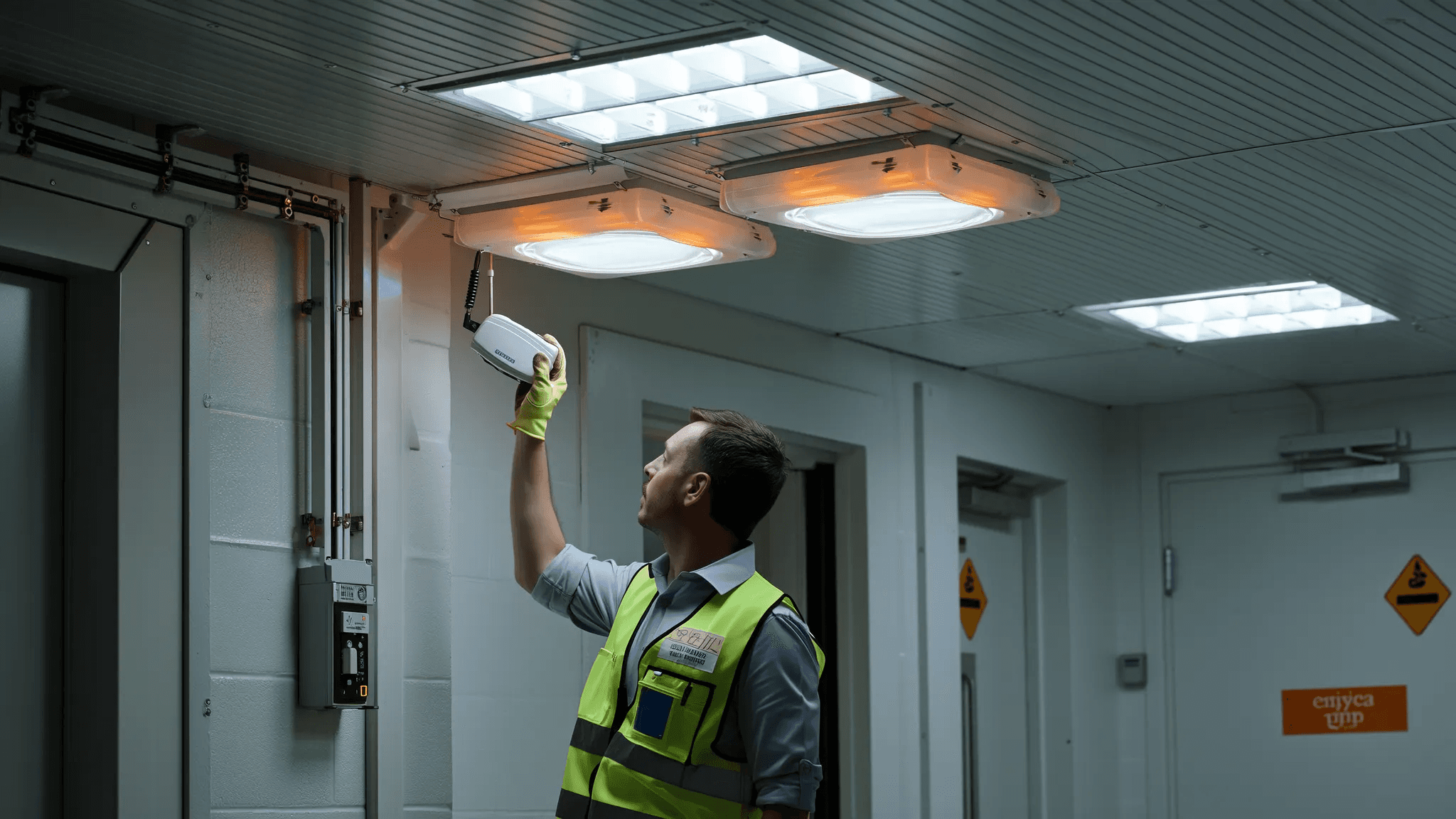
The formal PAT process begins with a detailed visual inspection conducted by the qualified tester. Research by the Health and Safety Executive (HSE) suggests that the majority of electrical faults can be identified through a careful visual examination alone. The tester will inspect:
The plug — checking the cable is correctly connected, the fuse is of the right rating, and the outer sheath is secured within the plug body
The cable — looking for damage along the entire length, including any joints or extensions
The appliance casing — checking for cracks, missing screws, damage, or signs of overheating
Any ventilation points or cooling grilles — ensuring they are not blocked
Labels and safety markings — confirming the appliance carries the appropriate CE marking or relevant safety standard
If the item fails the visual inspection, it is taken out of service immediately and labelled as a 'Fail'. No further electrical testing is required for a visibly unsafe appliance.
Step 3: Electrical Tests Using a PAT Tester Machine
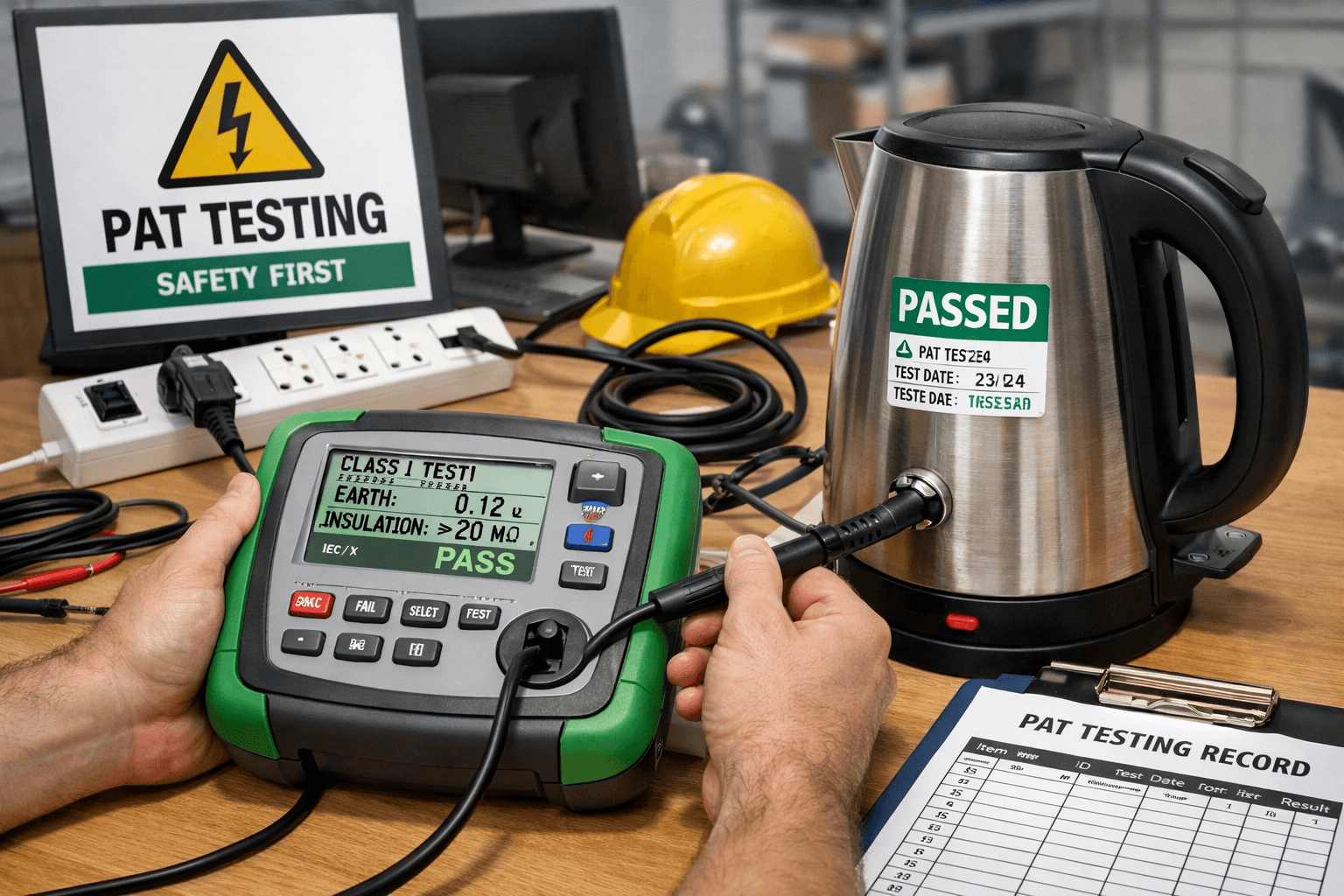
If the appliance passes the visual inspection, the engineer proceeds to formal electrical testing using a dedicated PAT tester. The specific tests depend on the class of the appliance:
Earth Continuity Test — Applies to Class I appliances. It checks that there is a low-resistance path between the earth pin of the plug and the metal parts of the appliance. A poor earth connection could result in electric shock if a fault occurs.
Insulation Resistance Test — Checks that the insulation within the appliance is intact. A high voltage (typically 500V DC) is applied; the resistance reading should be very high (measured in megaohms). A low reading suggests deteriorated insulation, presenting a shock or fire risk.
Substitute/Alternative Leakage Test — For sensitive equipment such as medical devices or IT equipment, where a high-voltage insulation test could cause damage, a substitute leakage test is performed instead.
Functional Check — Where safe and practicable, the tester switches the appliance on to confirm it operates correctly. Particularly important for power tools, extension leads, and RCDs.
Step 4: Recording the Results
All results are recorded in a PAT testing register or log. A good record should include:
Description and unique identifier of each appliance tested
Location of the appliance
Date of test
Name and qualifications of the tester
Test results (pass or fail) and readings recorded
Recommended date of next test
Step 5: Labelling the Appliance
Once tested, each appliance is labelled with a PAT testing sticker. A passed item receives a green 'PASS' label; a failed item receives a red 'FAIL' label and must be immediately removed from service, repaired or replaced, and retested before being returned to use.
Understanding Appliance Classes in PAT Testing
Class | Description | Tests Required |
|---|---|---|
Class I | Relies on earthing (e.g. kettles, desktop PCs) | Earth continuity + insulation resistance |
Class II | Double insulated, no earth (e.g. laptops, hair dryers) | Insulation resistance only |
Class III | Safety Extra Low Voltage below 50V (e.g. garden tools) | Visual inspection + basic checks |
How Often Should PAT Testing Be Carried Out?
There is no single fixed legal interval. The appropriate frequency depends on the appliance type, environment, and level of risk. As a general guide:
Offices and low-risk environments: Stationary equipment — every 4 to 5 years; IT equipment moved frequently — every 1 to 2 years
Schools and educational establishments: Every 1 to 2 years for most equipment
Construction sites: Every 3 months for portable tools (110V); every month for 230V equipment in harsh conditions
Hotels and rental properties: Typically every 1 to 2 years for all guest-accessible appliances
🔍 Tip: New appliances do not need to be PAT tested immediately, as they should already meet safety standards. However, they should be included in the testing schedule going forward and checked visually before first use.
What Happens If an Appliance Fails Its PAT Test?
A failed appliance must be withdrawn from service immediately, clearly labelled, and the fault investigated. Depending on the failure, it may be repaired, modified, or condemned. Common reasons for failure include:
Damaged or incorrectly wired plug
Incorrect fuse rating
Deteriorated cable insulation
High earth resistance (Class I appliances)
Low insulation resistance indicating internal damage
Physical damage to the appliance body or internal components
Managing Your PAT Testing with Certie.co
Once your PAT testing is complete, managing the results, certificates, and upcoming test schedules is just as important as the tests themselves. This is where certie.co comes in.
certie.co is a UK-based digital platform designed specifically to help businesses, landlords, and PAT testing engineers manage the entire PAT testing workflow in one place. Whether you carry out testing yourself or use a third-party contractor, certie.co makes it simple to stay organised, compliant, and on top of your obligations.
⭐ Why PAT Testing Professionals Choose certie.co:
Digital PAT Certificates — Generate and store professional PAT test certificates instantly. Every certificate is securely saved to the cloud and accessible any time, from any device.
Asset Register & Appliance Tracking — Keep a complete register of every appliance in your portfolio, including its location, test history, class, and next test due date.
Automated Reminders — certie.co sends automatic reminders when appliances are due for retesting — so nothing slips through the net and you never face an unexpected compliance gap.
Multi-Site Management — Ideal for landlords, facilities managers, and testing companies managing multiple properties or clients. View all sites and certificates from a single dashboard.
Instant Sharing & Compliance Evidence — Share certificates directly with clients, tenants, or inspectors at the click of a button. Perfect for demonstrating due diligence during audits or insurance checks.
UK HSE Compliant Records — All records are formatted and stored in line with UK HSE and IET Code of Practice guidance.
🔗 Get started at certie.co — free to try, no card required.
Explore
Discover expert insights, tips, and updates on property compliance, safety regulations, and best practices to keep your properties secure and compliant.