Pro Tips
Property Management
Does my property legally need a fire risk assessment? The complete UK landlord guide
Find out if your UK property legally needs a fire risk assessment and what the law says in 2026
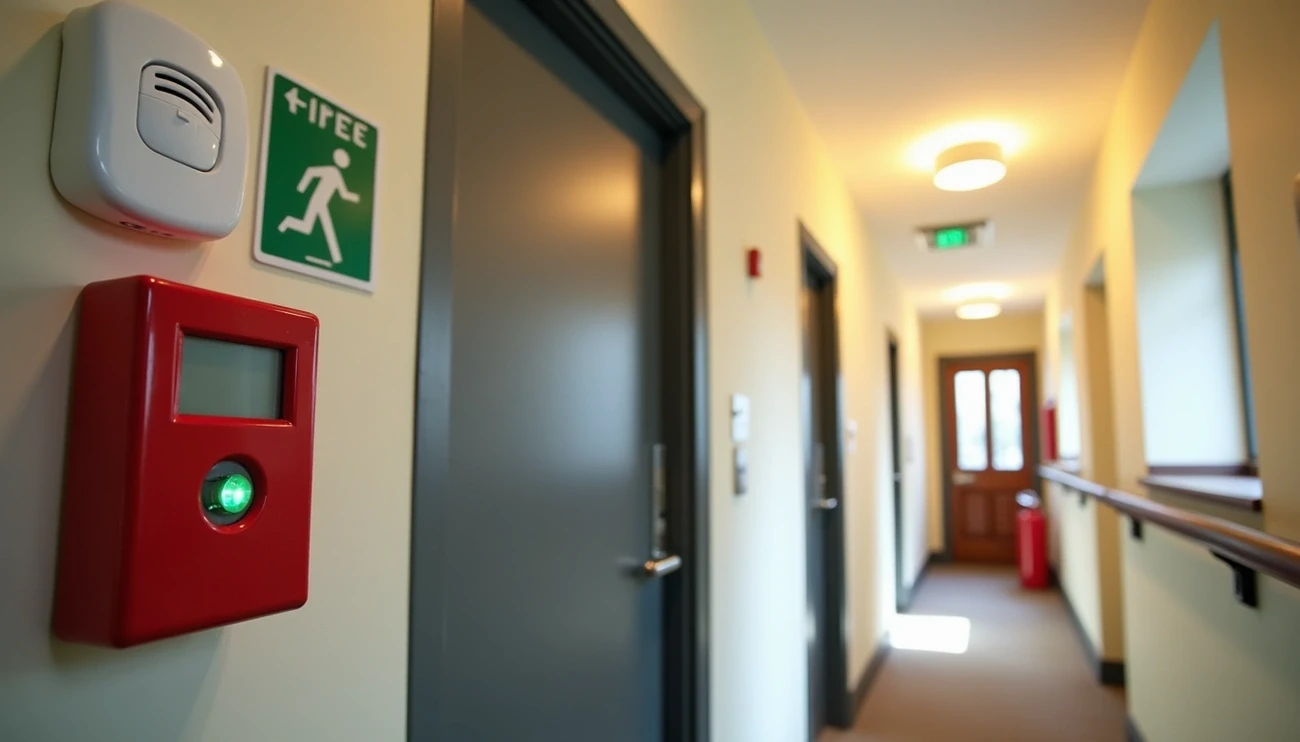
Landlord fire risk assessment requirements changed fundamentally on 1 October 2023, when new rules made fire risk assessments a legal requirement for all properties except single private dwellings. This move affects thousands of UK landlords, especially when you have HMOs and flats with communal areas. Fire and rescue services attended 61,970 primary fires in the year ending March 2024, and this highlights why fire safety regulations for landlords have become more stringent. Failure to comply with fire risk assessment requirements carries serious consequences. You could face substantial fines and criminal charges. Your insurance may become invalid. We'll clarify exactly when a fire risk assessment for flats is required in this piece. We'll walk through your core landlord fire safety obligations and get into the cost of non compliance for property owners through real UK cases.
What is a fire risk assessment and why does it matter?
Defining fire risk assessments for rental properties
A landlord fire risk assessment is a systematic review of your premises to identify potential fire hazards and provide applicable recommendations to reduce those risks. This process reviews everything from ignition sources and flammable materials to escape routes and emergency procedures. The assessment pinpoints areas that may pose fire risks, such as faulty electrical wiring or blocked exit routes, and allows you to reduce these hazards before they escalate into serious incidents.
Fire risk assessments involve thinking over who might be at risk, including elderly residents, disabled tenants or young children. You must then eliminate or reduce identified fire risks as much as practical, implement general fire precautions and create an emergency plan. The process also requires you to maintain these precautions and keep your findings under regular review.
The Regulatory Reform (Fire Safety) Order 2005 explained
The Regulatory Reform (Fire Safety) Order 2005 serves as the biggest piece of legislation governing fire safety in buildings across England and Wales. The FSO applies to all workplaces and the common parts of buildings containing two or more domestic premises, and has been in effect since October 2006.
Under the FSO, you become the Responsible Person if you're a landlord, owner, employer or anyone in control of premises. This role carries legal duties to undertake and record a fire risk assessment and maintain general fire precautions. The Fire Safety Act 2021 clarified that external walls, flat entrance doors and building structures must all be included in fire risk assessments. Due to Section 156 of the Building Safety Act 2022, all fire risk assessments must now be recorded whatever employee numbers or licencing status.
How fire risk assessments protect landlords and tenants
Fire risk assessments protect tenants by identifying hazards before they cause harm and enable you to devise emergency evacuation plans that can save lives. These assessments ensure compliance with fire safety regulations for landlords and help you avoid severe penalties or imprisonment. They also protect your property investment from devastating fire damage that could result in lost rental income and costly repairs. By conducting assessments, you maintain insurance validity and demonstrate due diligence in your duty of care.
When is a fire risk assessment legally required for your property?
Single private dwellings vs multi-occupied properties
The law draws a clear line between property types. Fire risk assessments are not mandatory for single private dwellings such as individual houses and bungalows. But any building containing two or more sets of domestic premises with shared common areas falls within the scope of the Fire Safety Order. This covers flats with communal stairwells, houses converted into multiple flats, and any residential building where households share access points, lobbies or facilities.
Fire risk assessment requirements for HMOs
All licenced HMOs must have a fire risk assessment under the Regulatory Reform (Fire Safety) Order 2005. The responsible person carries the legal duty to carry out and review this assessment on a regular basis. This person is the landlord or licence holder with full management control. We advise conducting reviews at least once a year or at change of tenancy if this occurs sooner. Even empty HMO buildings need fire risk assessments, as around 60 fires occur daily in or next to vacant buildings.
When fire risk assessments are not required for flats
Individual flats do not need their own fire risk assessments unless used for commercial purposes, short-term lets with changing occupants, or licenced as HMOs. Landlords and leaseholders must still ensure their units comply with relevant fire safety regulations that cover safe escape routes and working smoke alarms.
Fire risk assessment for flats in communal areas
Any residential building with common areas shared by more than one household needs a fire risk assessment of those communal parts by law. This covers shared stairwells, entrances, lobbies, bin stores, metre rooms and bike storage. The Fire Safety Act 2021 clarified that assessments must also cover the building's structure, external walls and flat entrance doors.
Recording requirements under the Building Safety Act 2022
Section 156 of the Building Safety Act 2022, which came into force on 1 October 2023, requires all responsible persons to record their completed fire risk assessment in full. This removes previous thresholds based on employee numbers. You must also record the identity of any fire risk assessor hired and your fire safety arrangements.
Core landlord fire safety obligations and compliance checklist
Beyond conducting fire risk assessments, landlords face specific statutory duties that are the foundations of rental property fire regulations. These obligations apply to property types of all sizes, with stricter requirements for HMOs.
Installing and maintaining smoke and carbon monoxide alarms
Landlords must install at least one working smoke alarm on every floor of rental property where there is living accommodation. Any room used as living accommodation that contains a fixed combustion appliance (excluding gas cookers) requires carbon monoxide alarms. Test all alarms on the day each new tenancy begins. Since October 2022, landlords must repair or replace faulty alarms once tenants inform them. Non-compliance can result in fines up to £5,000.
Safe and available escape routes
All corridors, stairs and stairwells must remain clear of stored items. Exit doors must open from inside without keys and use thumb-turn locks. Tenants who store belongings in communal areas create serious fire risks and obstruct firefighter access.
Fire-safe furniture and furnishings requirements
All furniture provided in lettings since 1 March 1993 must comply with the Furniture and Furnishings (Fire) (Safety) Regulations 1988. Check for permanent manufacturer labels that confirm compliance with match and cigarette tests. Non-compliant furniture carries unlimited fines and up to six months imprisonment.
Electrical safety inspections every five years
Regulations require that qualified electricians inspect and test electrical installations at least every five years. Provide tenants with the EICR within 28 days of inspection. Address C1 or C2 codes within 28 days. Maximum financial penalties increased to £40,000 as of 1 November 2025.
Annual gas safety checks by Gas Safe engineers
Gas Safe registered engineers must inspect all gas appliances, pipework and flues each year. Provide existing tenants with the gas safety certificate within 28 days and new tenants before move-in. Failure constitutes a criminal offence with unlimited fines and potential six-month imprisonment.
Fire doors and emergency lighting in HMOs
HMOs require FD30 rated self-closing fire doors on all flat entrances, corridors and staircases. Buildings over 11m height need flat entrance door checks every 12 months and communal fire door checks every three months. Emergency lighting is mandatory in HMOs with five or more occupants and must operate for minimum three hours.
Penalties, costs and real consequences of landlord non-compliance
Fines for landlords UK: what you could face
Fire safety regulation breaches trigger penalties ranging from £5,000 for alarm regulation violations to unlimited fines for serious Fire Safety Order offences. Local authorities can impose civil penalties up to £7,000 for breaches or £40,000 for offences where prosecution is an alternative. Courts issue five-figure penalties frequently. A Bedford landlord received £40,000 in fines alone for inadequate fire warning systems and poorly managed fire doors.
Building safety non compliance and criminal charges
Fire safety breaches carry maximum penalties of unlimited fines and two years imprisonment at Crown Court. The Building Safety Act 2022 introduced severe sanctions, with breaches of Building Regulations now punishable by unlimited fines and up to two years imprisonment. Suspended sentences are common. Sheffield landlord Zahir Ahmed received six months imprisonment (suspended for 18 months), 250 hours community service, and £10,000 costs after a near-fatal fire trapped 11 people.
Insurance invalidation risks
Insurance policies require landlords to meet fire safety standards as coverage conditions. Insurers scrutinise compliance documentation before processing claims more and more, and incomplete records can void policies. Failure to maintain required inspections provides insurers legal grounds to deny claims.
Real cases of landlord non compliance UK
A Harrow landlord paid £9,000 after failing to provide fire safety and electrical certificates for an HMO riddled with hazards. A London landlord was fined £20,385 for removing fire doors and lacking emergency lighting. A Preston landlord received nine months imprisonment (suspended) plus £2,400 costs for failing to comply with a prohibition notice.
Cost of non compliance for property owners
Non-compliance gets cascading costs beyond fines. A freeholder's failure to comply with the Fire Safety Order resulted in unrecoverable waking watch costs that would have been chargeable to leaseholders had compliance been managed. Properties can be shut down until issues are resolved and cause lost rental income. Reputational damage compounds financial losses further.
Conclusion
Fire risk assessments are a legal requirement for most rental properties, especially HMOs and buildings with shared areas. The penalties for non-compliance are severe and range from fines to imprisonment and insurance invalidation.
We recommend you conduct your assessment right away if you haven't done so already. The cost of compliance is modest compared to the financial and legal consequences that UK cases have showed. This investment protects both your tenants and your property business from serious outcomes.
Key Takeaways
Understanding when fire risk assessments are legally required can save UK landlords from severe penalties and protect their property investments.
Fire risk assessments became mandatory on 1 October 2023 for all properties except single private dwellings under new UK regulations.
HMOs and flats with communal areas legally require recorded fire risk assessments, with penalties reaching unlimited fines and two years imprisonment.
Core safety obligations include annual gas checks, five-yearly electrical inspections, and proper smoke alarms on every floor with living accommodation.
Non-compliance costs extend beyond fines—insurance invalidation, lost rental income, and reputational damage create cascading financial losses.
Real UK cases show landlords facing £40,000 fines and suspended prison sentences, making compliance investment essential for property protection.
The shift in fire safety regulations represents a fundamental change in landlord responsibilities. With fire services attending nearly 62,000 primary fires annually, these requirements aren't bureaucratic hurdles—they're essential protections that safeguard lives and property investments alike.
Explore
Discover expert insights, tips, and updates on property compliance, safety regulations, and best practices to keep your properties secure and compliant.